Choose three criteria, get a list of names for your chatbot or AI agent, and then select your favorite using the five tests described on this page.

A chatbot name generator is a tool that suggests names tailored to your industry, your brand, and the tone of your customer service. It’s not a substitute for a list of ideas: you browse through a list, but you configure a generator. You provide it with your context, and it returns a short, cohesive selection, along with a sample sentence to help you evaluate each name in context.
Prefer to browse a list? Find over 200 chatbot name ideas, organized by style and industry, on our blog.
Banking, insurance, retail, energy, transportation: The suggested names reflect the terminology and level of formality typical of your industry.
Reassuring, friendly, knowledgeable, or energetic: your chatbot has a name that reflects the personality of your advisors.
Ten names per generation, each with a introductory phrase to try in your welcome message.
It takes just four steps to go from a blank page to a short list of names to test.
Human first names: Claire for a bank with a reassuring tone, Léa for a warm and welcoming e-commerce site, Victor for a software publisher with an expert tone, Max for a dynamic transportation company.
Names drawn from the brand’s universe: Watt for an energy provider, Égide for an insurer, Escale for a transportation company, Pépite for a retail chain.
Function-based names: Claims Assistant, Order Tracking, Traffic Info, and Billing Assistant—names that immediately tell customers what to ask for.
Before adopting a name, check its availability with the INPI and the EUIPO.

An effective chatbot name is short, easy to pronounce, connected to your brand, compatible with the term “AI assistant,” and available. Rate each name on a scale of 0 to 2 based on these five criteria: if the total score is below 7 out of 10, run the generator again.
Involve your customer service representatives in the final decision: they know your customers’ language, and they’re the ones who take over from the chatbot if an issue escalates.
Chatbot names fall into three categories. None is inherently better than the others: the right choice depends on your reasons for contacting the chatbot and what your customers expect from their first interaction.
Two well-known examples illustrate these choices. Erica, Bank of America’s virtual assistant, takes her first name from the bank’s name. Alexa, Amazon’s voice assistant, owes her name to the Library of Alexandria, a symbol of access to knowledge. In both cases, the name conveys something about the brand or its mission.
Customers come to you with a financial question or a claim. Use a reassuring tone and a job title, or a simple first name followed by “AI.” See our chatbot solutions for banks and for insurance and mutual insurance companies.

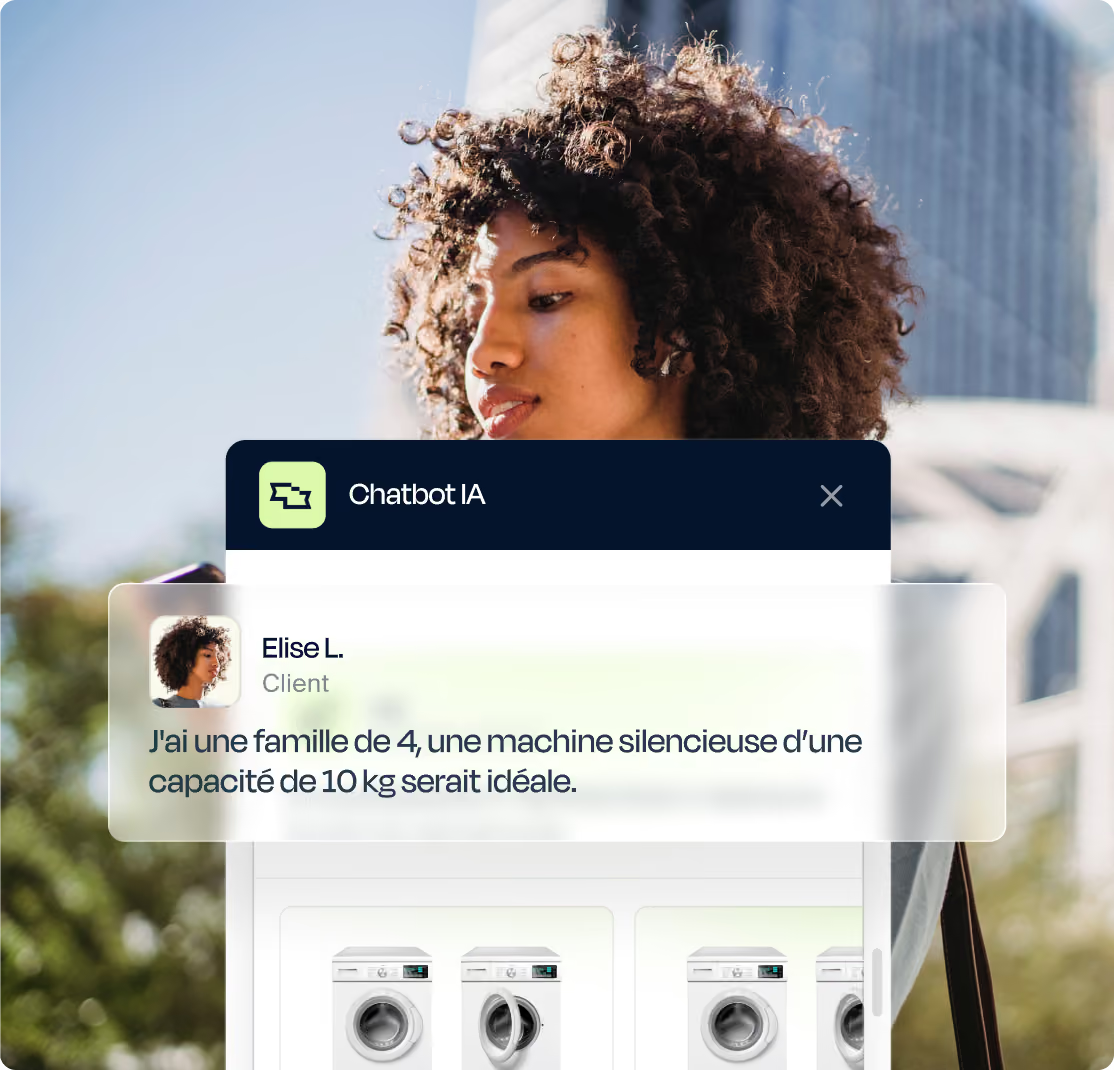
Order tracking, returns, pre-sales advice: a warm tone and a first name—or a name derived from the brand—extend the in-store experience. Check out our chatbot for retail and e-commerce.

Bills, contracts, administrative procedures: clarity is key. A job title helps avoid any ambiguity about what the chatbot can handle. Check out our chatbot for public services.

Schedules, reservations, service disruptions: customers are in a hurry. Choose a short, dynamic name that fits in a notification. Check out our mobility chatbot.


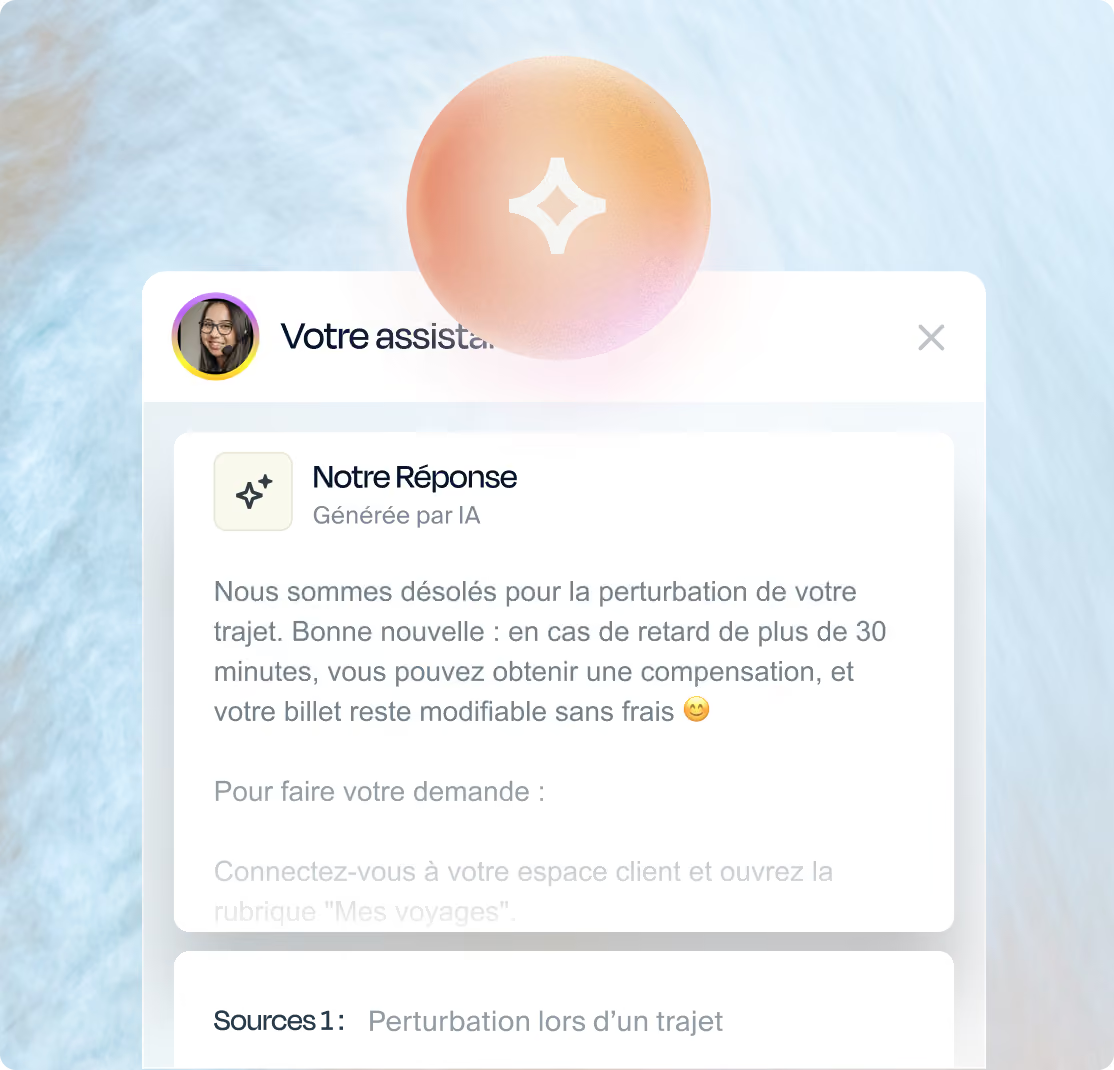
A good name makes people want to start a conversation. What makes them want to come back is the quality of the response. Smart Agents, Smart Tribune’s customer service chatbot, responds using your verified knowledge and cites its sources. When information is missing, it says so and passes the full context on to an agent. The bot’s name, tone, and language style can be customized in the response settings, allowing a single bot to operate in multiple languages on your website, mobile app, WhatsApp, or Messenger. Smart Tribune has deployed more than 600 projects.


A chatbot can have a human first name, provided that the customer knows they are interacting with an AI. Effective August 2, 2026, Article 50 of the European Regulation on Artificial Intelligence (Regulation (EU) 2024/1689, known as the AI Act) stipulates that individuals interacting with an AI system must be informed of this fact, unless it is clearly evident from the context.
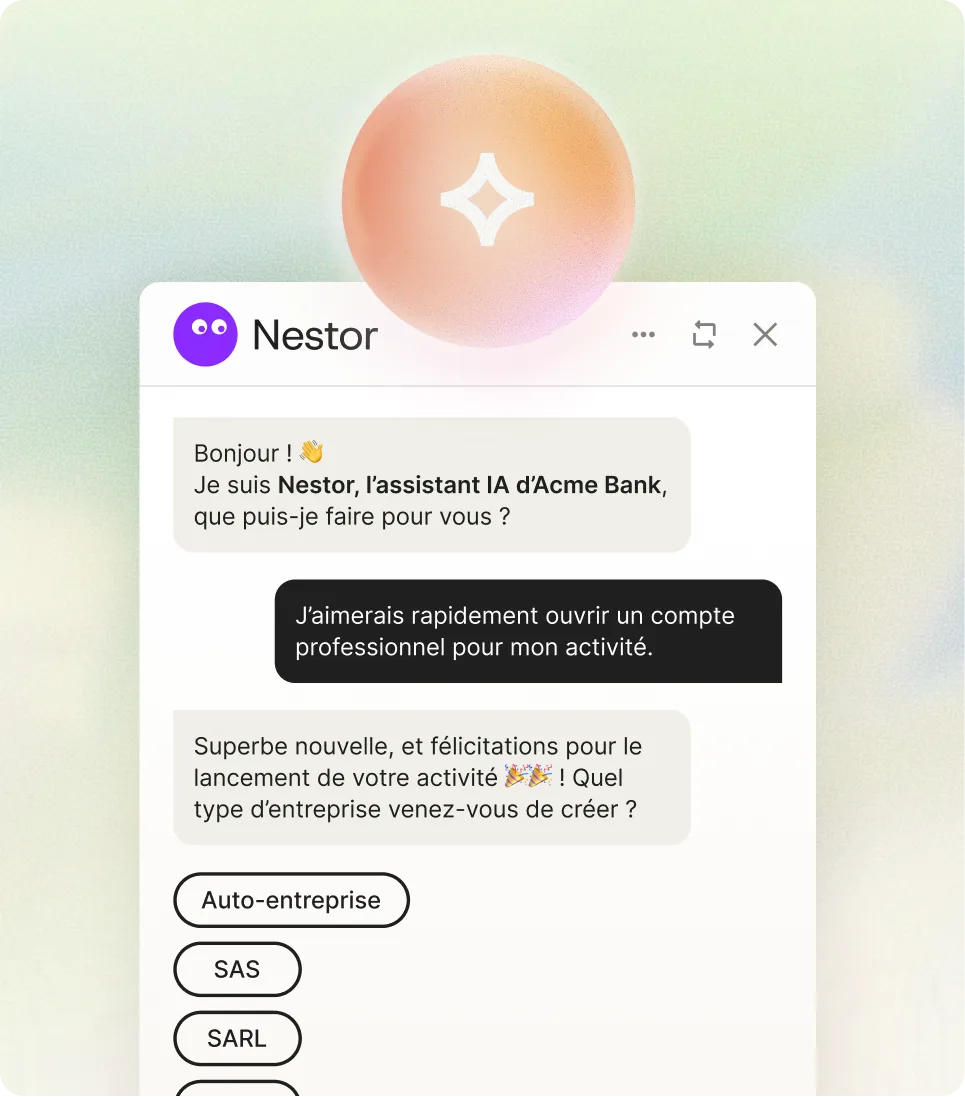
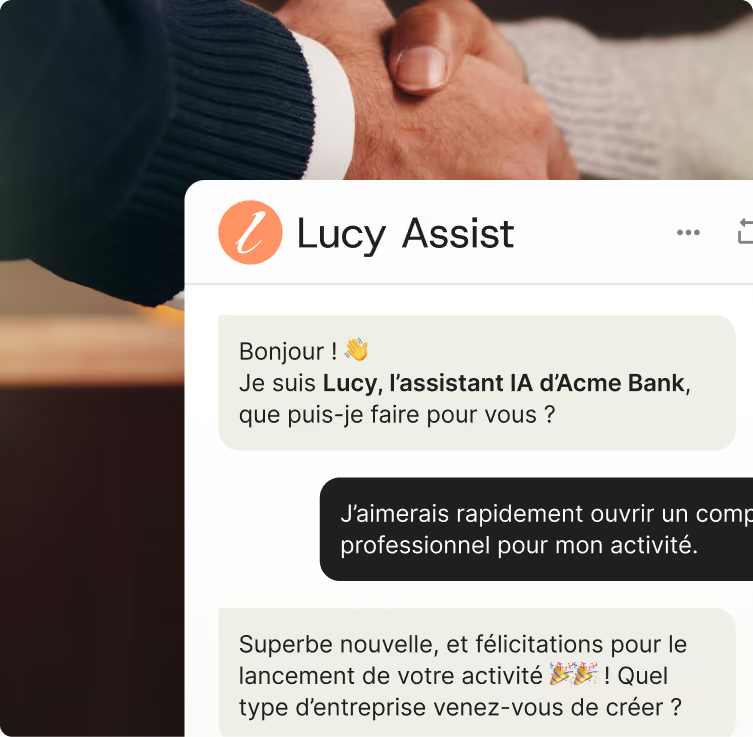
Three simple steps are all it takes: state the nature of the chatbot in the welcome message (“Hello, I’m Léa, the AI assistant for [your brand]”), choose an avatar that does not mimic a real person, and provide a way to transfer the customer to a human agent when requested. These guidelines are for general information only and do not replace the advice of your legal department. See our page on customer service chatbots.