


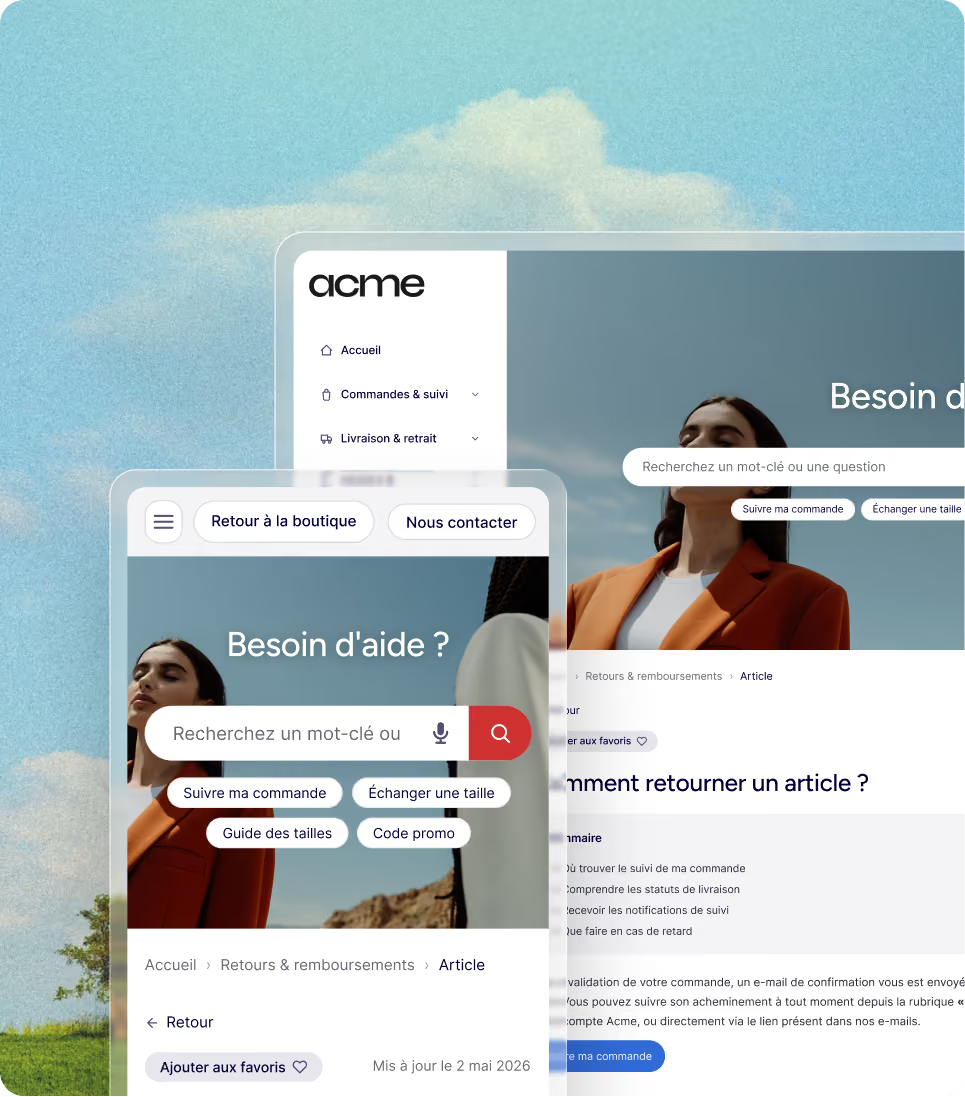

The Static FAQ
A FAQ page created in the website's CMS. Easy to set up, it answers the questions the company comes up with, in the order the company comes up with them, and says nothing about what customers haven't found.




Smart Answer is Smart Tribune’s dynamic FAQ. Your customers ask questions in their own words and receive accurate answers drawn from your approved content. Fewer inquiries for your support agents, and greater visibility on Google and in generative AI systems.


Smart Answer provides answers right where your customers are looking: in the help center, on a product page, in the contact form, and on Google. Every answer comes from your validated knowledge base, which is managed once in Smart Dashboard. An offer that changes in the morning is updated by the afternoon across all your touchpoints.
When you update a response in Smart Dashboard, as soon as it’s published, the Help Center, help boxes, contact form, and chatbot all display the same information. No duplicate entries, no missed pages.
Discover Smart Dashboard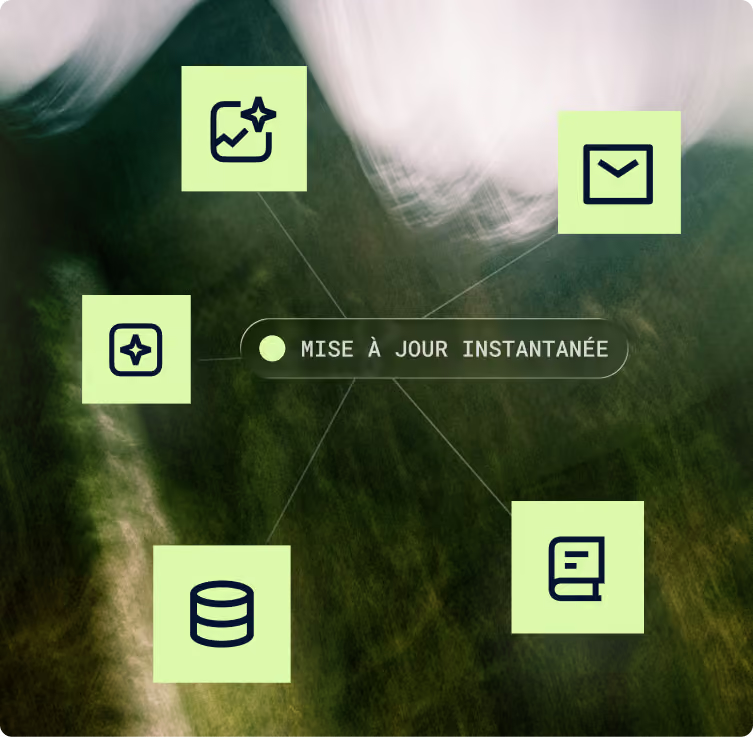
The dynamic FAQ for customers who are searching, and the AI agent for those who prefer to chat. Both draw from the same database and always provide the same answer.
Discover Smart Agents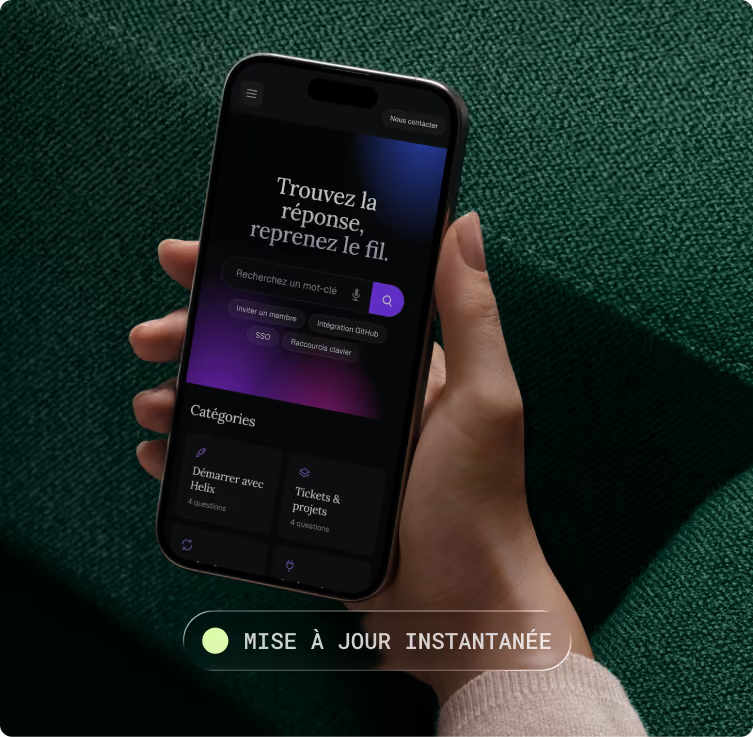
For a customer relationship manager, the difference isn't technical. It's measured in the number of inquiries avoided, the number of customers who find what they need on their own, and the number of answers that Google and AI systems pick up on.


A FAQ page created in the website's CMS. Easy to set up, it answers the questions the company comes up with, in the order the company comes up with them, and says nothing about what customers haven't found.
The help center module of the ticketing tool. It publishes articles, but the search function is often limited to keywords, and the answer is rarely displayed anywhere other than in the help center.
Designed for self-care, it uses natural language for questions, tailors responses to the customer's profile, appears at every step of the customer journey, and tracks unsuccessful searches to address any gaps.
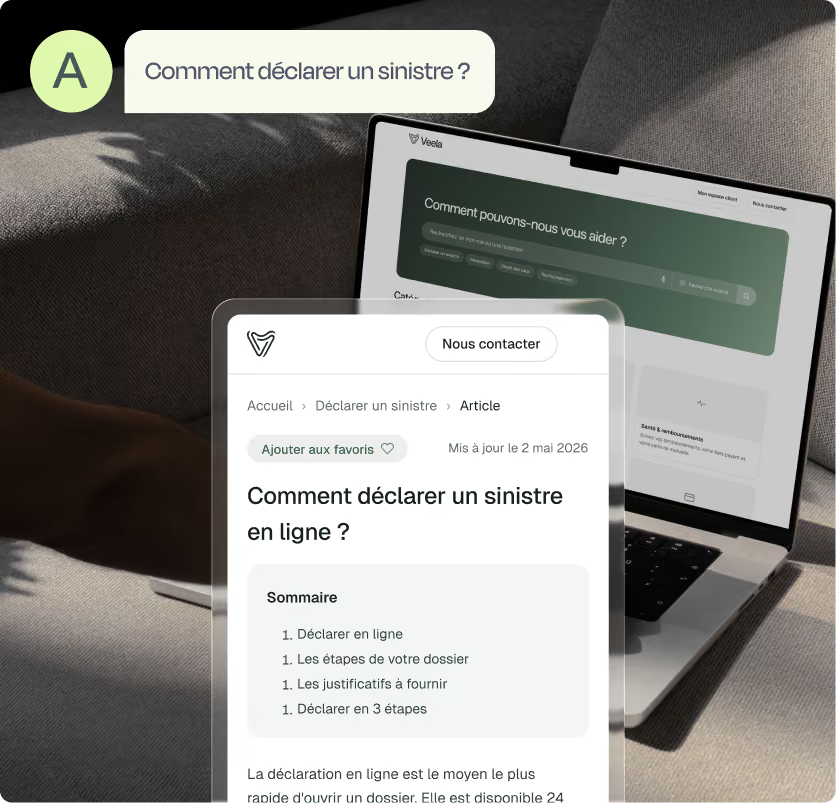
A dynamic FAQ is an interactive frequently asked questions section: visitors type in their question in their own words, and a natural language processing engine displays the correct answer—tailored to their profile and the page they’re viewing—and suggests a contact if the answer isn’t sufficient.
It’s also known as a smart FAQ or AI help center. With Smart Answer (formerly Smart FAQ), your customers can find the answer on their own in just a few seconds, and your support agents can focus on the requests that truly require their assistance.
Smart Tribune supports 170 companies and has deployed more than 600 projects. In terms of self-service, here are the results observed among customers using the dynamic FAQ.
DPD France deployed a Smart Tribune help center to handle contact spikes before they reached customer service. The result: a 50% reduction in contact volume. At Roole, customer satisfaction increased by 60% six months after launch.
simple requests
customer satisfaction
customer service requests
Smart Answer doesn't replace your knowledge—it puts it right in front of your customers. The same database powers both your customer service chatbot and your agent knowledge base, both of which are managed in Smart Dashboard.
Your questions, answers, and documents are organized by category in Smart Dashboard. The AI converts your PDFs and manuals into draft Q&As, which are always reviewed by a human before publication.
Approved answers are displayed in the Help Center, help boxes, the contact form, and the chatbot, based on the rules you set: customer profile, page viewed, country, and language.
Searches with no results, votes, and reasons for dissatisfaction are reflected in the statistics. You fill in the gaps in the database where your customers get stuck, and all your channels benefit at the same time.



Four key features distinguish an FAQ that reduces customer contact from one that customers ignore: a search function that understands user queries, reliable and personalized answers, support available throughout the customer journey, and visibility on Google and in AI systems.
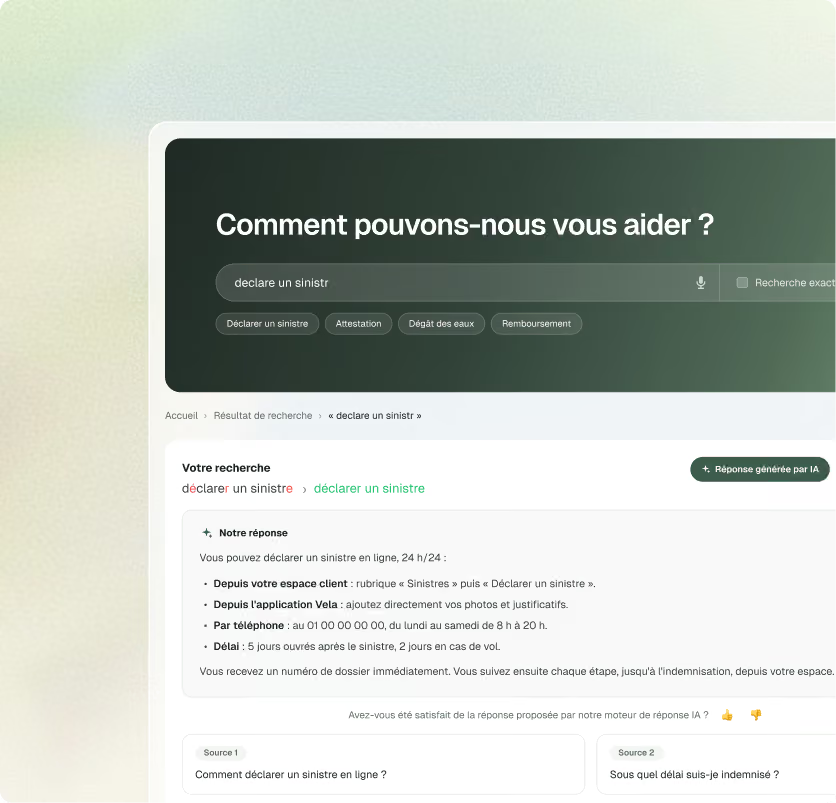
The customer types their question, including any spelling mistakes and their own words. The engine understands the intent, connects their vocabulary to yours using a thesaurus, suggests answers as they type, and corrects typos. Above the results, the AI-generated response summarizes your approved content and cites its sources.
It relies on Trust AI, Smart Tribune’s agent-based RAG engine: if the information doesn’t exist, the AI doesn’t make it up. The AI remains an option that you can enable whenever you choose.
A logged-in customer does not ask the same questions as a prospect. Tags tailor the FAQ to the user’s profile, status, and the page being viewed, and the same question may include a paragraph reserved for logged-in customers. Personalization tokens insert data from your information system: first name, contract number, and order status.
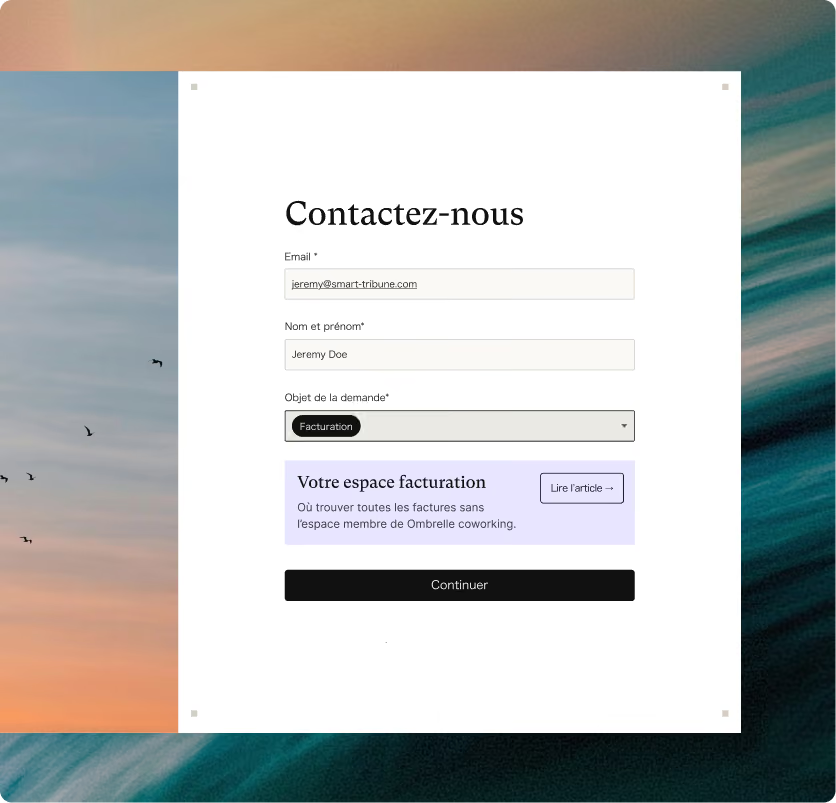
The answer comes to the customer, not the other way around. A help box displays useful answers on a product page, in a shopping cart, or during the sign-up process. The contact form analyzes the request before it’s sent and provides an immediate, well-sourced response; if that’s not enough, the customer can send their message with a single click.
And when a customer needs to reach out, Smart Answer suggests the right channel—phone, email, live chat, chatbot, callback, or form—along with its available hours.
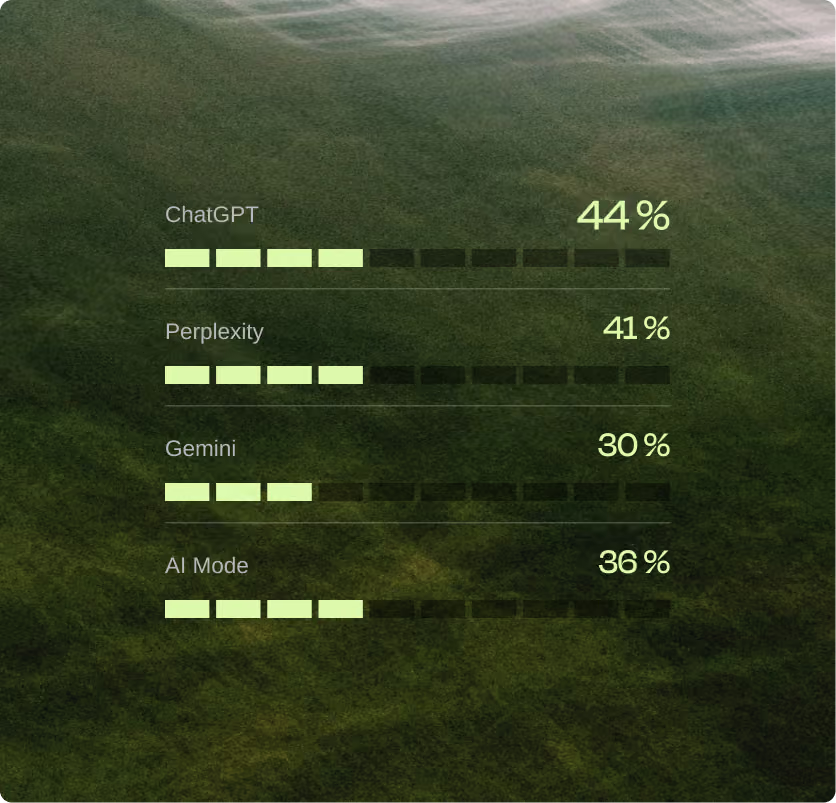
Each question is a standalone page, indexable by Google and readable by ChatGPT, Perplexity, Gemini, or Google’s AI previews. Search engines receive an HTML version of each page, complete with H1 through H3 headings, an editable URL, title, and meta description, and properly handled 404 pages. Your FAQ becomes the go-to source for answers, replacing forums or comparison sites. At Somfy, two-thirds of the traffic to the FAQ comes from search engines.

A limited-time offer is posted and removed automatically.

The Help Center adheres to your brand guidelines and follows RGAA accessibility standards.

A parent database shares common content with the databases of your subsidiaries, brands, or countries.

Search, categories, frequently asked questions, current information, and guides, all set up without any development work.

A script averaging 250 KB, loaded asynchronously: your pages won't slow down.

The questions that other visitors viewed next, listed below each answer.

What your customers are looking for but can't find—so you know what to write about first.

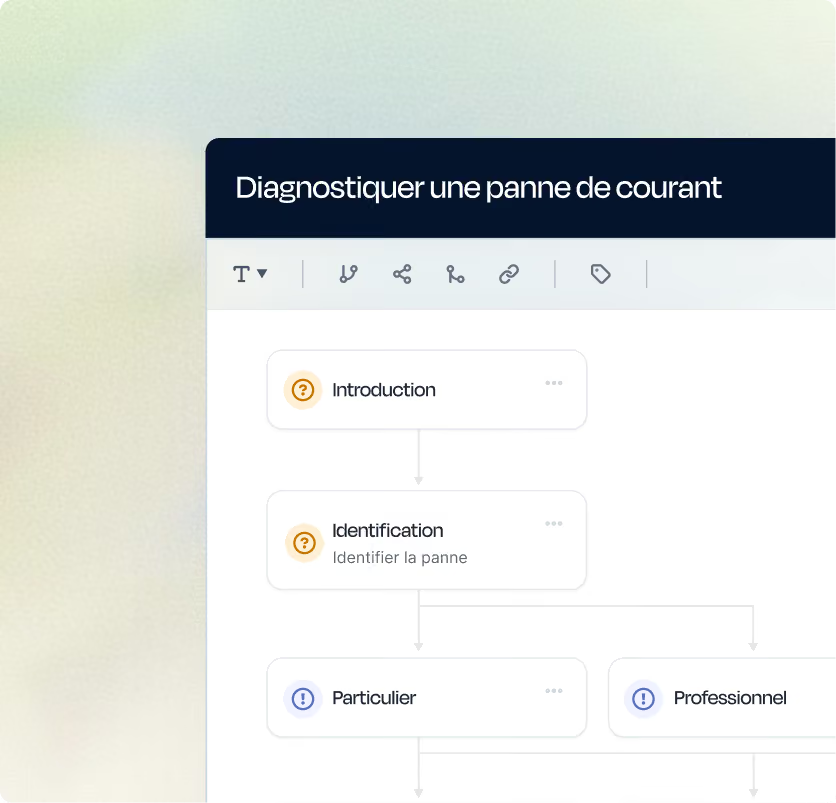
Diagnosis or multi-step procedure: a decision tree guides the client to the solution.

Votes after each response, reasons for dissatisfaction, and comments, collected step by step.
In the evening, on the weekend, or during a peak period, customers can find the answer without having to wait for an agent.
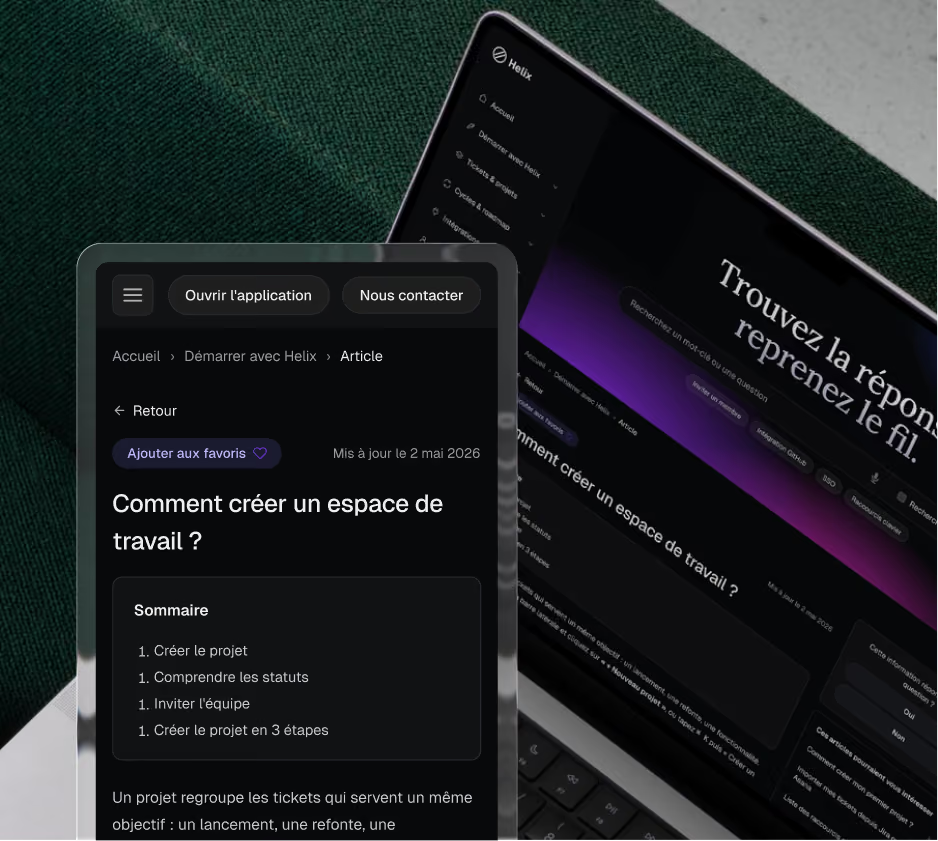
Compatibility, delivery time, return policy: the answer is listed on the product page.
The request is processed before it reaches your advisors' queue.
Your customers ask Google and ChatGPT their questions—but it's your answer they read.
Before making a purchase, customers look for information that isn’t provided in the product listing: availability, actual delivery times, and how to return an item purchased online. With Smart Tribune, the answers are displayed throughout the shopping journey and in the help center, based on your up-to-date terms and conditions. Carrefour, Leroy Merlin, and Fnac rely on Smart Tribune for their help centers.
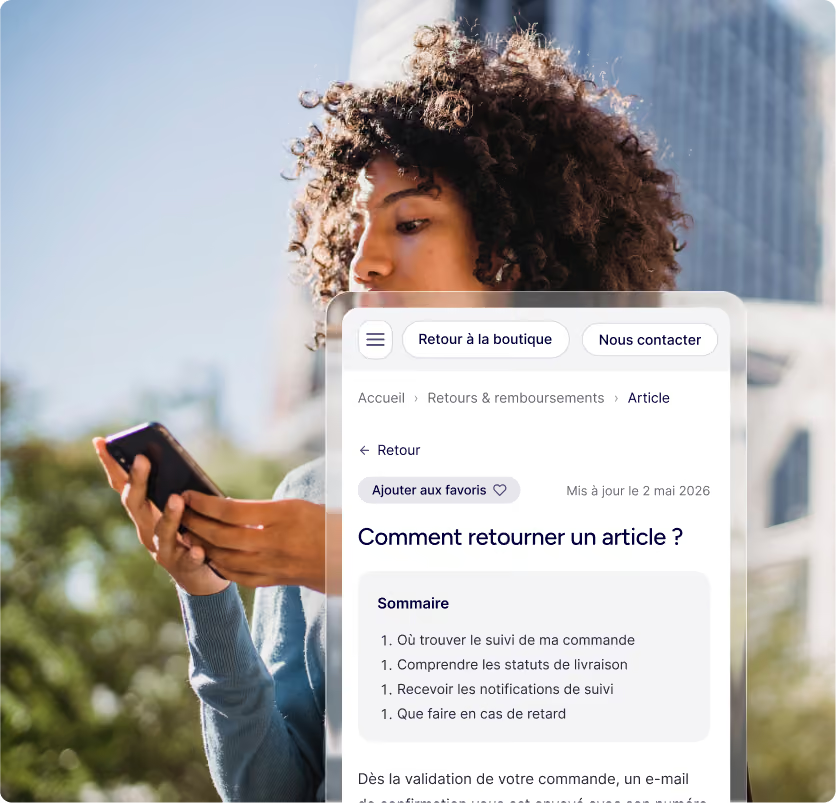
Late packages, missed deliveries, pickup locations: volumes skyrocket during every peak period. With Smart Tribune, the help center handles repetitive questions before they turn into phone calls. DPD France relies on Smart Tribune for its help center.
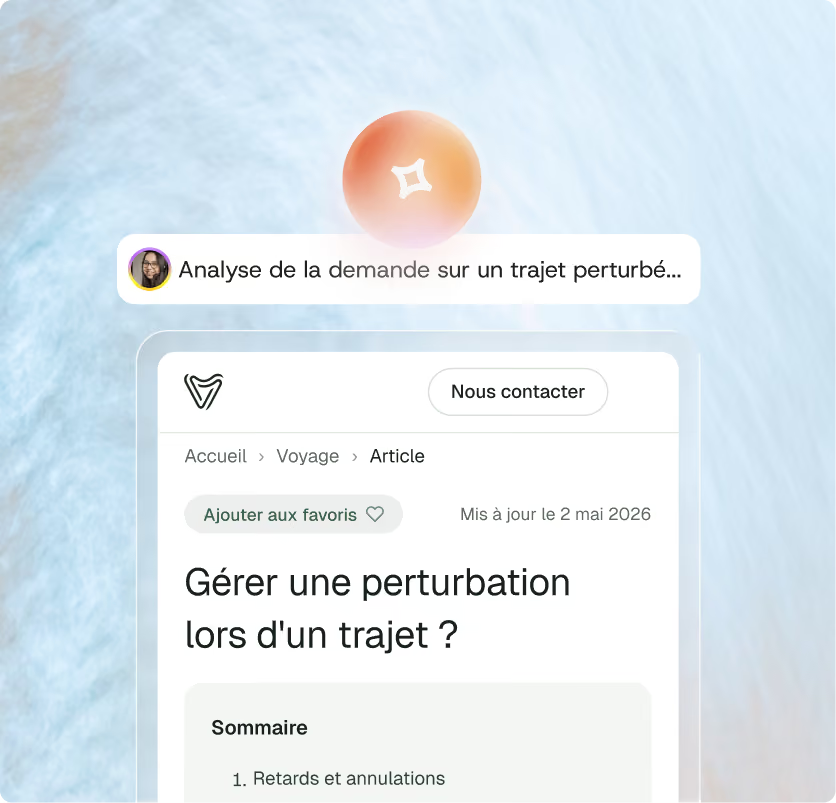
Bookings, changes, baggage, service disruptions: customers want answers right away—often from their phones. Clear answers, in multiple languages, updated within minutes in the event of an incident. Corsica Linea relies on Smart Tribune for its help center.
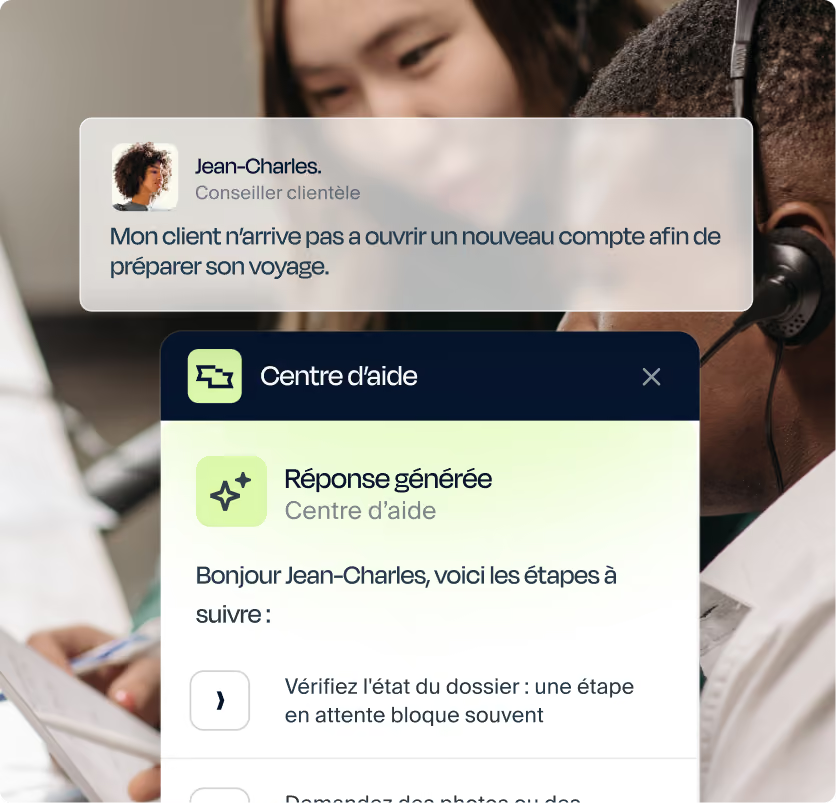
Coverage, premiums, claims, certificates: every response is binding on the company. With Smart Tribune, the FAQ provides members with answers based on their specific policy, the online portal displays information relevant to them, and the same validated database supports your administrators. MACIF and Roole use Smart Answer for their help centers.
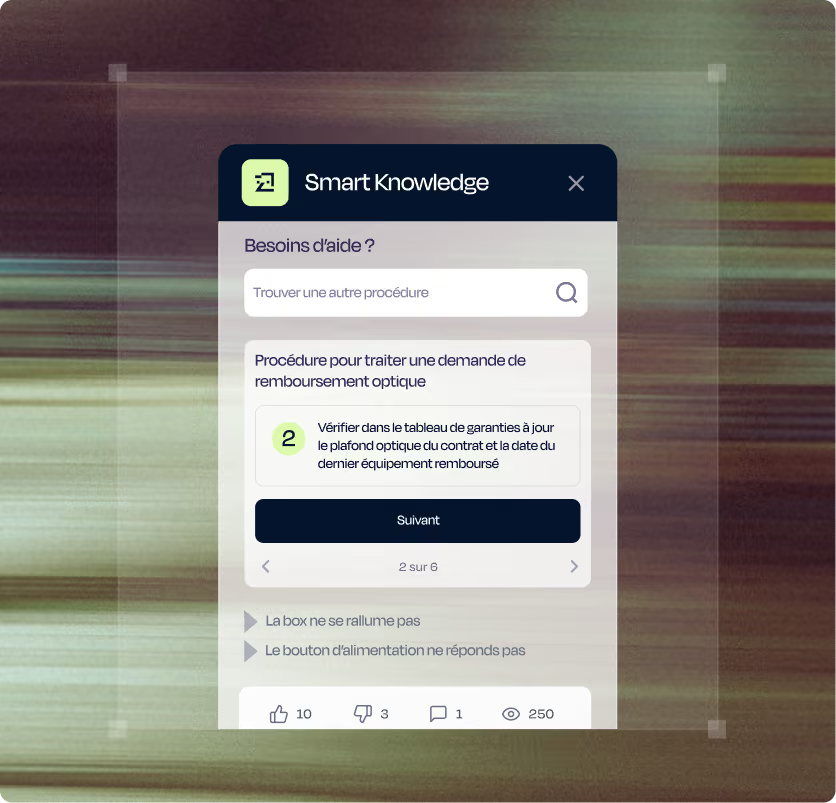
Most FAQs fail for the same reason: the customer can’t find the answer—or doesn’t trust it. The question is poorly worded, the page is out of date, the answer is too generic, and the customer ends up calling. Worse still, when the FAQ, the chatbot, and the customer service representatives draw from different sources, the customer gets three different answers to the same question.

 A list that the customer must go throughThe same answers for everyoneNo idea what wasn't found
 Research that addresses the issueA response tailored to the profile and the pageSearches with no results in your statistics
At every stage, a dedicated project team supports you: a knowledge project manager, a technical project manager, and a Customer Success Manager. The workshops cover an assessment of your content, the site architecture, SEO, the AI’s tone, and change management.
An initial scope, often consisting of the most frequently asked questions about a brand or customer journey, with metrics established at the outset: contact rate, satisfaction, and searches with no results.
Contextualization by profile and by page, help boxes on key paths, the contact form, and AI-powered responses.
All your brands, all your countries, all your languages—managed by your teams.
Before comparing dynamic FAQ software, ask each vendor these six questions
Talk to an expert

